
Honduran Butternut Squash in Syrup (Ayote en Miel)
Tender squash with a warm cinnamon sweetness
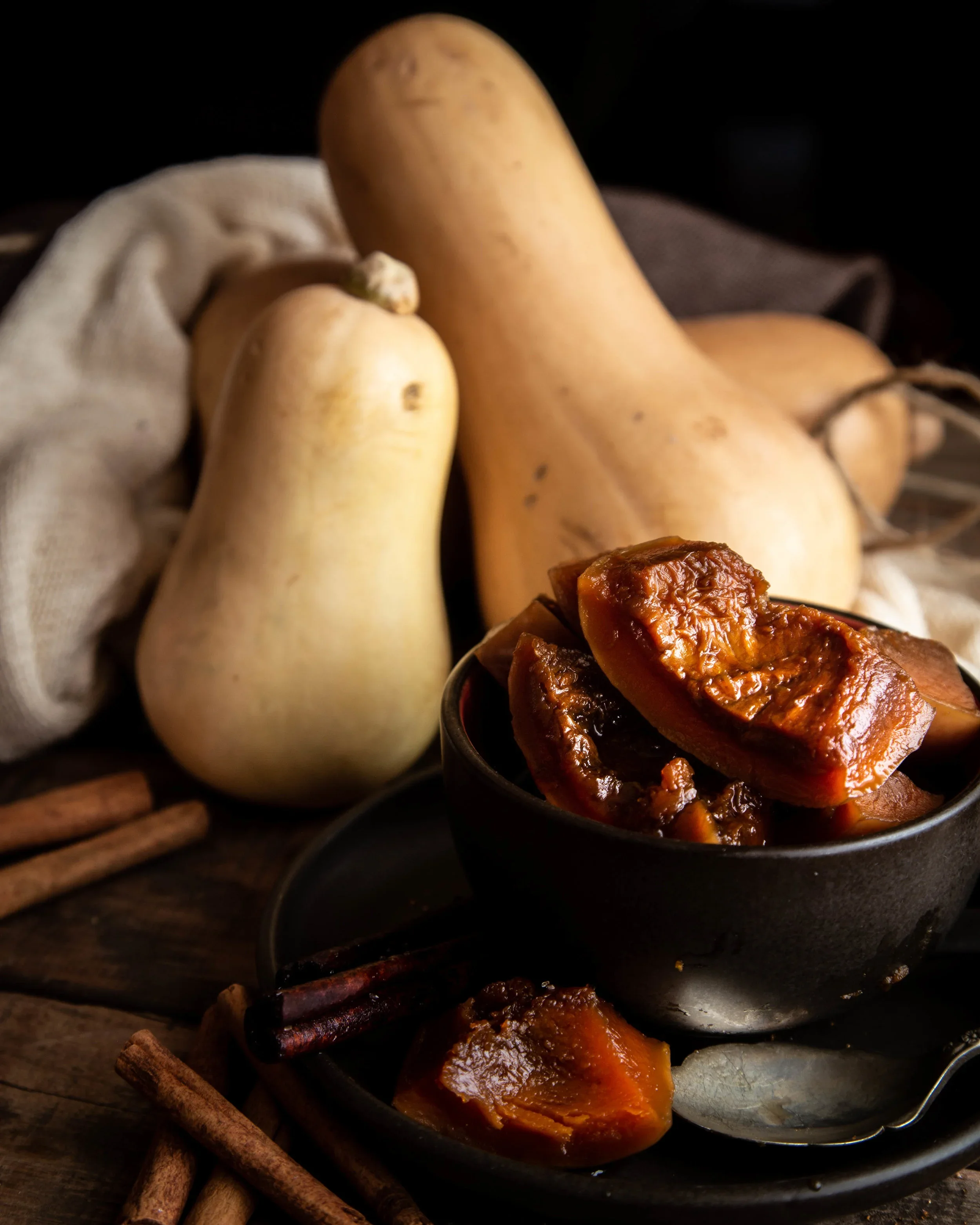
Ayote en miel is one of those dishes that makes me feel at home no matter where I am. It's a beloved Honduran dessert — squash simmered low and slow in a sweet, cinnamon-spiced syrup until it turns tender and deeply caramelized. A handful of humble ingredients, and somehow it comes out tasting like nostalgia.
Traditionally it's made with piloncillo (panela, if you grew up calling it that) — it gives the syrup that deep, almost molasses-like sweetness and dark color. Growing up, the moment I'd spot any squash or pumpkin, I'd bring it home and cook up a big pot of this, keep it in the fridge, and eat a little every day. If I couldn't find piloncillo or panela, dark brown sugar or molasses worked just fine. It's simple ingredients, slow cooking, and flavors that just bring people to the table.
Why you’ll love this recipe.
Only a few simple ingredients
Beginner friendly
Perfect for holidays and family gatherings
Delicious warm or chilled
What is Ayote en Miel?
Ayote en Miel is a traditional dessert enjoyed throughout Honduras and other parts of Central America. The word ayote refers to squash, an ingredient deeply connected to the agricultural traditions of the Americas. Historically, desserts like this relied on local ingredients that were easy to grow and preserve. Squash, cinnamon, and piloncillo came together to create a sweet treat without the need for refined sugars or complicated techniques.
In Honduras, piloncillo—known locally as rapadura or panela in many regions—is especially important in traditional cooking. Made from concentrated sugarcane juice, it has a deeper flavor than regular sugar, with notes of caramel and molasses that give this dessert its signature taste.
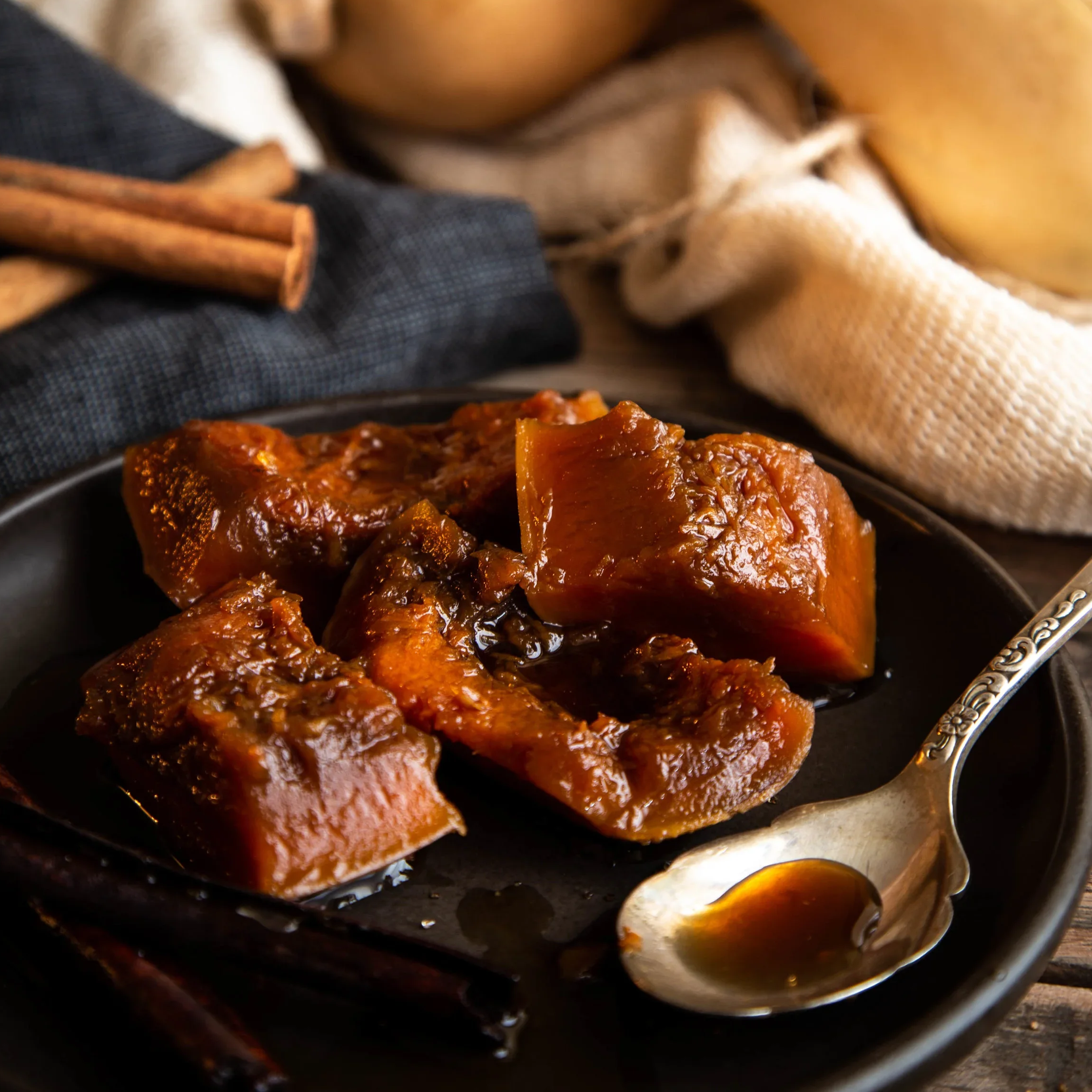
Similar recipes exist across Latin America, with variations using different types of squash, sweeteners, and spices. Each version reflects the traditions and ingredients of its region. The squash becomes incredibly tender as it cooks, absorbing the flavors of the cinnamon and piloncillo syrup. The result is soft, sweet, and delicately spiced, with a texture similar to candied pumpkin or sweet potato.
The syrup is the star of the dish—a dark, fragrant caramel-like sauce that coats every piece of squash. It can be enjoyed warm, chilled, or served with a scoop of vanilla ice cream for a simple but unforgettable dessert.
Ingredient spotlight.
Butternut squash is naturally sweet, creamy, and perfect for slow cooking. As it simmers, it absorbs the cinnamon syrup while becoming tender and flavorful. Traditionally, Honduran versions often use larger varieties of ayote, but butternut squash is an excellent substitute because of its similar texture and natural sweetness.
Piloncillo (panela) is an unrefined cane sugar commonly used throughout Latin America. It adds a rich caramel flavor and a beautiful dark color to the syrup. If piloncillo is unavailable, dark brown raw cane sugar is a great alternative because it provides a similar molasses like flavor
Cinnamon is the main spice in this dessert, creating the warm, comforting aroma associated with traditional Honduran sweets.
Easy ingredient swaps.
If you don’t have or can’t find piloncillo or dark brown cane sugar, regular brown sugar also works, though it yields a lighter flavor and color. Add one or two tablespoons of dark molasses to mimic the authentic flavor and color.
Instead of butternut squash you can also use pumpkin, kabocha squash, any other sweet winter squash variety.
Beginner tips for success.
The peel helps the squash pieces maintain their shape during the long cooking process. Since the squash becomes very tender, peeling it beforehand can cause the pieces to break apart and lose their beautiful presentation.
What to serve with Ayote en Miel.
Enjoy Ayote en Miel:
Warm or chilled on its own
With vanilla ice cream
With whipped cream
Alongside Honduran coffee
With toasted pecans or almonds for added texture
Make it a complete dessert experience.
Dessert: Honduran Butternut Squash in Syrup (Ayote en Miel)
Pair with: Honduran coffee or cinnamon tea
Add Creaminess: Vanilla ice cream
Add Texture: Toasted nuts

Honduran Butternut Squash in Syrup (Ayote en Miel)
This traditional Honduran Butternut Squash in Syrup, known as Ayote en Miel, is made by slowly simmering squash with cinnamon and piloncillo for a rich, caramel-like syrup. A simple, comforting dessert that celebrates the flavors of Honduran home cooking.
- 1 large butternut squash
- 1 1/2 cups dark brown raw cane sugar or grated piloncillo (recommended)
- 4 cinnamon sticks
- Water, enough to cover the squash pieces
- Wash the squash well. Cut off both ends, then cut the squash lengthwise. With a spoon, remove the seeds and core threads.
- Cut the squash into medium sized pieces. Do not peel the squash. The peel helps the pieces stay intact during cooking.
- Place the squash pieces in a large saucepan or medium pot.
- Add the grated piloncillo (or dark cane sugar) and cinnamon sticks. Bring the mixture to a boil over high heat.
- Reduce the heat to medium and simmer, uncovered, until the liquid reduces to a dark, runny syrup. About 2 hours.
- Avoid stirring frequently. The squash becomes very soft during cooking. Stirring can cause the pieces to break apart.
- Remove from heat and allow it to cool slightly. Serve warm or chilled with a generous drizzle of the cinnamon syrup.
Notes
- Piloncillo (panela) gives the most authentic Honduran flavor, but dark brown cane sugar is an excellent substitute.
- If using piloncillo, grate or chop it into smaller pieces so it dissolves more easily.
- Keep the squash pieces large enough so they hold their shape while cooking.
- Avoid stirring too much - the syrup will thicken naturally as it reduces.
- The dessert is often even better the next day after the flavors have had time to develop.
Get ready to cook the world with my free basic guide to a global flavored pantry.