
Gochujang Pork Ribs
Sticky, tender ribs with sweet Korean heat.
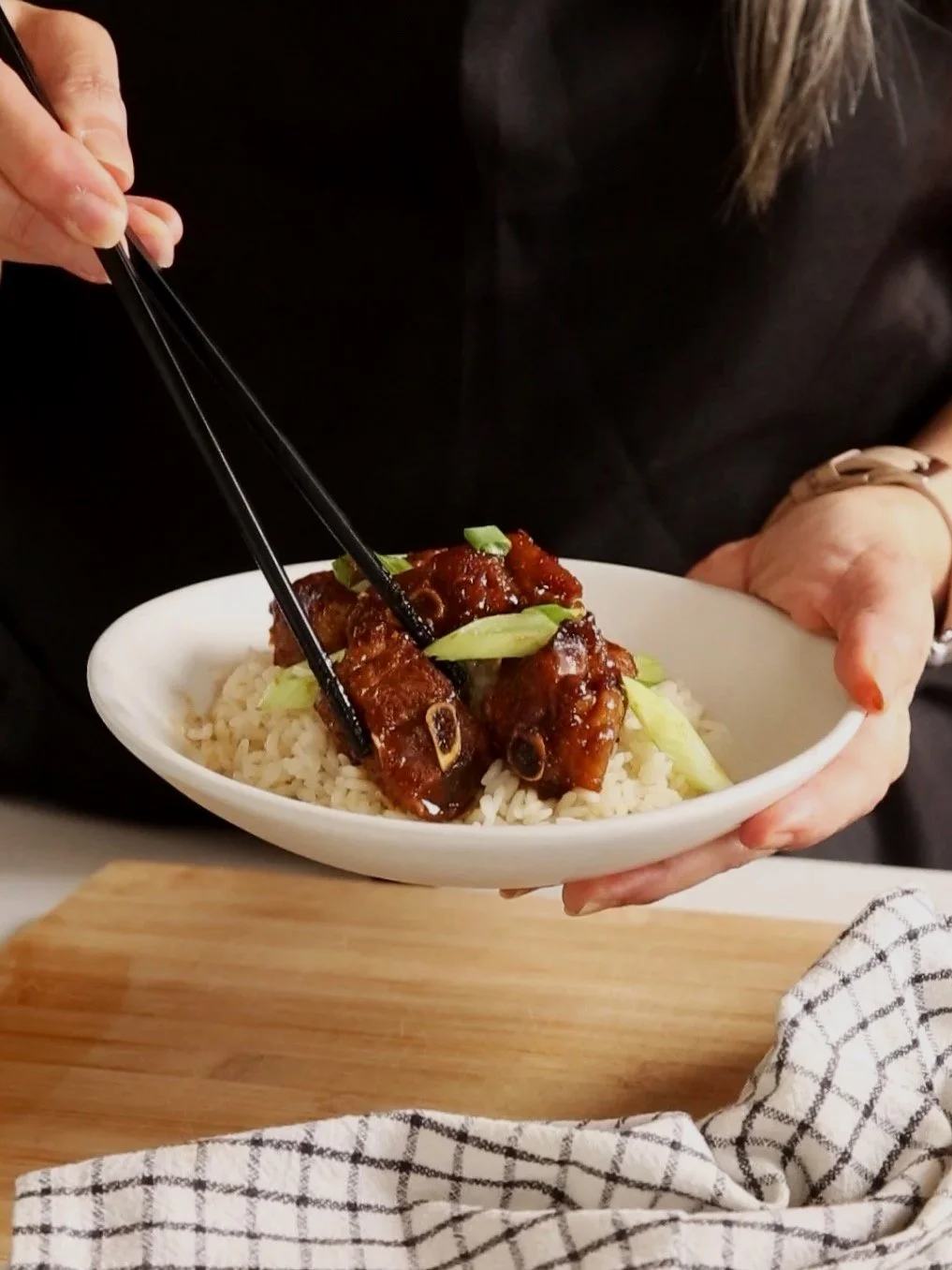
These Gochujang Pork Ribs are pure comfort — tender, juicy pork under a glossy sauce that's savory, a little sweet, and just spicy enough to keep you coming back for more. Instead of firing up the grill, the ribs simmer low and slow until they're falling apart, and then the sauce reduces into a glaze that clings to every bite.
I wanted to play with flavors here — I started with the idea of Chinese braised and glazed ribs, then added gochujang to bring in some Korean heat, and a bit of lemongrass to nudge things toward Thailand. The result surprised me: totally different from where I started, and the gochujang's spice played so well against the sweetness. This one's a fun, easy method dressed up with big flavor — simple enough for a weeknight, special enough for guests.
Why you’ll love this recipe.
Beginner friendly
One pan recipe
Incredible flavor with minimal effort
Tender, fall-off-the-bone meat
Simple pantry ingredients
Great for meal prep
Better than takeout
Perfect with steamed rice
What is Gochujang Pork Ribs?
While this recipe is inspired by Korean cuisine, it also incorporates aromatics commonly used throughout Southeast Asia, such as lemongrass. The star ingredient is gochujang, Korea’s famous fermented chili paste, which has been a staple in Korean cooking for centuries. Unlike hot sauces that provide only heat, gochujang contributes sweetness, umami, and a deep fermented flavor that gives Korean dishes their distinctive character. Combined with soy sauce, garlic and ginger, it creates one of Korea’s most recognizable flavor profiles.
This simplified version makes those flavors accesible using ingredients that are increasingly easy to find in supermarkets.
The ribs become incredibly tender after simmering, while the sauce thickens into a sticky glaze that clings to every bite. Gochujang provides a mild, fermented heat, balanced by soy sauce, rice vinegar, and a touch of sugar. The lemongrass and ginger add subtle citrusy freshness that keeps the rich pork from feeling heavy.
Ingredient spotlight.
Gochujang is a fermented Korean chili paste made from red chili peppers, glutinous rice, fermented soybeans, and salt. It delivers gentle heat along with sweetness and rich umami. A little goes a long way, making it one of the most versatile ingredients in Korean cooking.
Pork ribs when slow simmered, become tender, juicy meat while allowing them to absorb the flavors of the broth.
Lemongrass adds delicate citrus notes that brighten the rich sauce without overpowering the other ingredients.
Ginger provides warmth and freshness while helping balance the richness of the pork.
Rice Vinegar adds gentle acidity that balances the sweetness of the glaze.
Easy ingredient swaps.
Options for pork cuts are baby back ribs, St. Louis-style ribs, pork shoulder, cut into large cubes, or boneless country-style ribs.
No Gochujang? You can combine 1 tablespoon sriracha, 1 teaspoon miso paste, ½ teaspoon smoked paprika, and a splash of fish sauce.
Instead of lemongrass, a good option is a strip of lemon peel or a squeeze of fresh lime juice added at the end.
Rice vinegar can be substituted with apple cider vinegar or white wine vinegar.
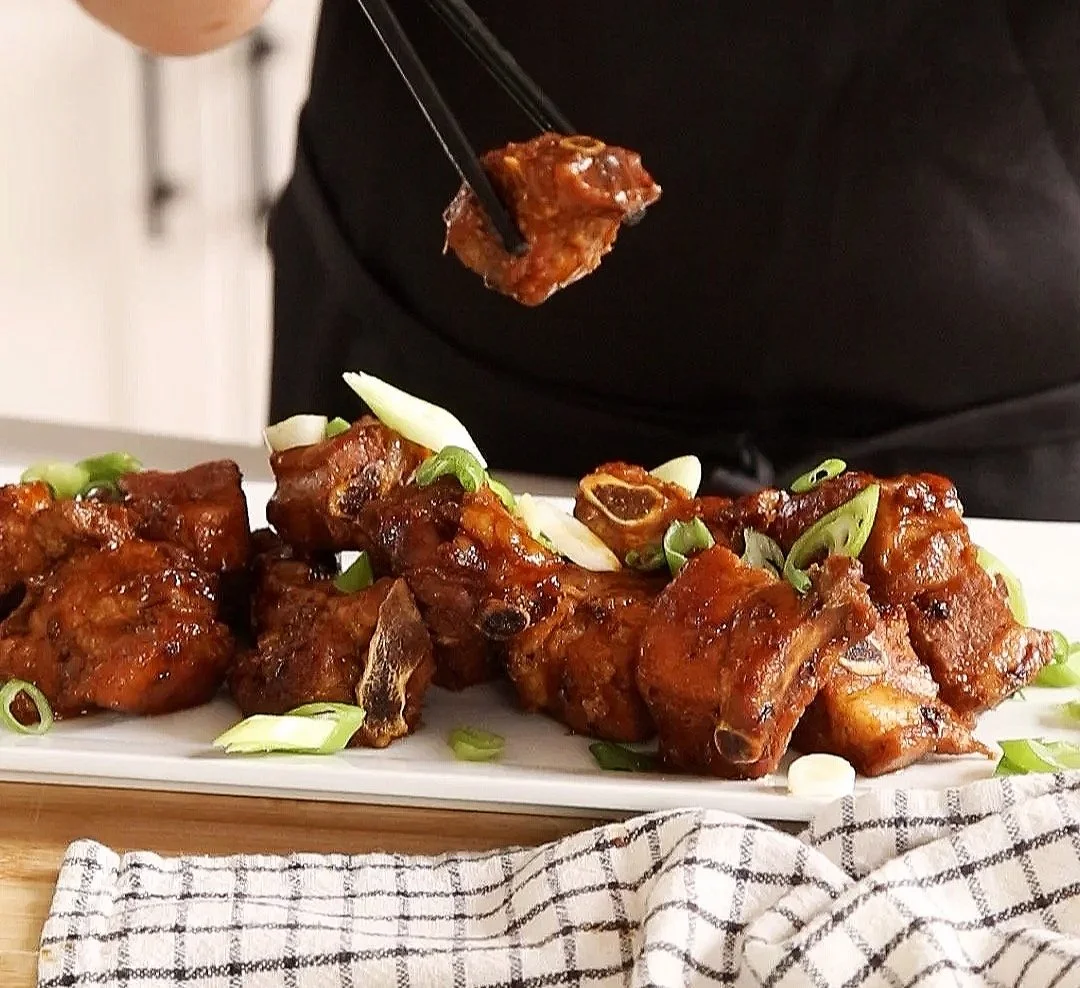
Beginner tips for success.
Slow simmering gives the collagen in the ribs to break down into gelatin, creating meat that’s incredibly tender and juicy. Reducing the sauce only after the ribs are fully cooked and tender allows the glaze to become thick and glossy without overcooking the meat.
What to serve with Gochujang Pork Ribs.
These ribs pair wonderfully with:
Jasmine rice
Sticky rice
Garlic fried rice
Stir-fried rice
Stir-fried bok choy
Steamed broccoli
Asian cucumber salad
Kimchi
Pickled vegetables
Make it a complete meal.
Main: Gochujang Pork Ribs
Side: Jasmine rice
Vegetable: Stir-fried bok choy or broccoli
Fresh side: Asian cucumber salad
Dessert: Fresh mango or pineapple

Gochujang Pork Ribs
These Easy Gochujang Pork Ribs are slowly simmered until fork-tender, then finished in a sticky, spicy-sweet glaze. Inspired by Korean flavors, this beginner friendly recipe delivers restaurant quality results with simple ingredients and minimal effort.
Ingredients
- 3 pounds pork ribs, cut into individual pieces
- 1 tablespoon vegetable oil
- 2 stalks lemongrass, lightly bruised, sliced
- 5-6 slices fresh ginger
- 4 garlic cloves, whole
- 1 small onion, chopped
- 1 tablespoon sugar
- 1 tablespoon gochujang paste
- 2 tablespoons soy sauce
- 2 tablespoons rice vinegar
- Hot water, enough to cover the ribs
- 2 tablespoons sliced green onions, for garnish
Instructions
- Heat the vegetable oil in a large skillet, Dutch oven, or wok over medium-high heat.
- Add the pork ribs and sear on all sides until lightly browned, about 5-7 minutes.
- Add the lemongrass, ginger, garlic, onion, sugar, gochujang, soy sauce, and rice vinegar.
- Pour in enough hot water to just cover the ribs. Bring to a boil.
- Reduce the heat to low, cover, and simmer for 45-6- minutes, or until the ribs are tender.
- Remove the lid and increase the heat to medium-high. Continue cooking, stirring occasionally, until the liquid reduces into a thick, glossy glaze that coats the ribs. About 10-15 minutes.
- Transfer the ribs to a serving platter. Sprinkle with sliced green onions and serve immediately.
Notes
- Searing the ribs first adds extra depth of flavor.
- Lightly bruise the lemongrass with the back of a knife to release its aroma.
- Keep an eye on the sauce during the final reduction - it can thicken quickly.
- Taste the glaze before serving. If you'd like more heat, stir in an extra teaspoon of gochujang.
- These ribs are even more flavorful the next day after the sauce has had time to develop.
Get ready to cook the world with my free basic guide to a global flavored pantry.